
Nutrition for Men's Vitality and Well-being
A focused exploration of how dietary choices, nutrients, and nutritional principles support men's health, energy, and overall quality of life.
Men's Nutritional Needs
While fundamental nutritional principles apply to all people, certain nutrients play particularly important roles in men's health and day-to-day well-being. Understanding these relationships helps inform balanced dietary choices.
Key Nutritional Considerations for Men
- Protein Intake: Supports muscle maintenance, tissue repair, and metabolic function. Quality sources include lean meats, fish, legumes, and eggs.
- Energy Balance: Adequate calories and nutrient-dense foods support sustained energy, physical activity, and daily function.
- Micronutrient Status: Vitamins and minerals, including zinc, B vitamins, and magnesium, support multiple physiological systems.
- Cardiovascular Support: Heart health is paramount across the lifespan. Fiber, healthy fats, and antioxidants contribute to cardiovascular well-being.
- Bone Health: Calcium, magnesium, vitamin D, and physical activity support skeletal strength throughout life.
Protein and Muscle Maintenance
Protein is essential for muscle structure, repair, and function. Men who are physically active or wish to maintain muscle mass benefit from adequate protein consumption distributed throughout the day.
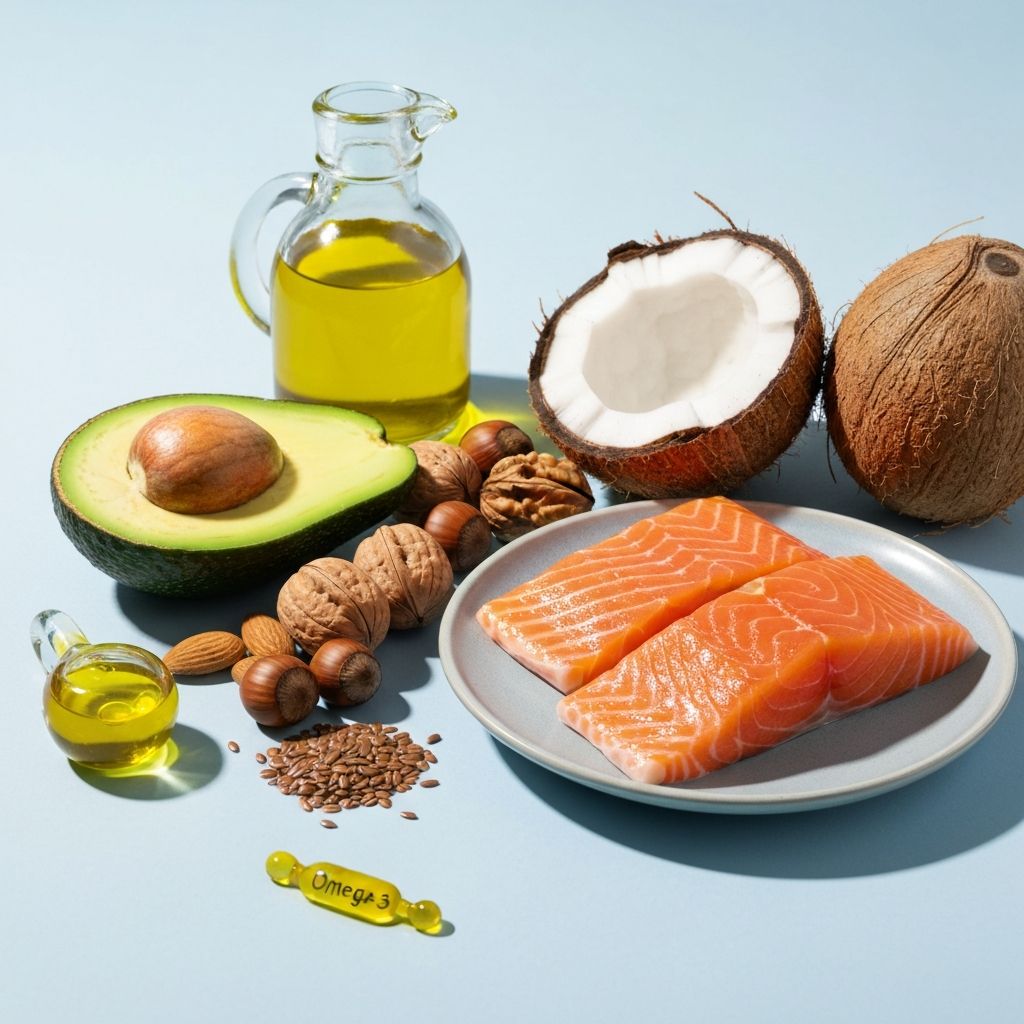
Quality Protein Sources
- Animal-based: Lean beef, chicken, turkey, fish, and eggs provide complete amino acid profiles
- Fish: Particularly fatty fish (salmon, mackerel) provide omega-3 fatty acids alongside protein
- Plant-based: Legumes, lentils, beans, nuts, and seeds offer protein with beneficial fiber and micronutrients
- Dairy: Milk, yogurt, and cheese provide protein and calcium
Protein Distribution
Distributing protein across meals throughout the day supports consistent muscle maintenance and satiety. Adequate protein at each meal supports optimal utilization.
Energy and Sustained Performance
Men's daily activities—whether professional work, physical exercise, or leisure—require sustained energy. Nutrition directly impacts energy levels, focus, and physical capacity.
Supporting Energy Through Nutrition
- Complex Carbohydrates: Whole grains, oats, and starchy vegetables provide sustained glucose release and stable energy
- Balanced Meals: Combining protein, carbohydrates, and healthy fats creates satiety and stable blood glucose
- Micronutrient Support: B vitamins support energy metabolism; iron and zinc contribute to oxygen transport and cellular function
- Hydration: Adequate water intake supports physical performance, cognitive function, and temperature regulation
- Nutrient Timing: Eating before and after physical activity supports energy availability and recovery
Cardiovascular Health Through Nutrition
Heart health is a lifelong priority. Dietary choices substantially influence cardiovascular function and longevity.
Nutrients Supporting Heart Health
- Omega-3 Fatty Acids: Found in fatty fish, flaxseeds, and walnuts; support heart and vessel function
- Dietary Fiber: Soluble fiber from oats, legumes, and fruits supports cholesterol and glucose management
- Antioxidants: From colorful vegetables and fruits; help protect against oxidative stress
- Potassium: From vegetables, fruits, and legumes; supports healthy blood pressure
- Magnesium: From nuts, seeds, and whole grains; supports muscle and cardiovascular function

Bone Health Across the Lifespan
While often considered a women's health issue, bone health is equally important for men. Nutrition and physical activity support skeletal strength and density throughout life.
Supporting Bone Health
- Calcium: Dairy products, leafy greens, and fortified plant-based milks; essential for bone structure
- Vitamin D: Fatty fish, egg yolks, and sun exposure; supports calcium absorption and bone mineralization
- Magnesium: Almonds, spinach, and whole grains; supports bone formation and density
- Physical Activity: Weight-bearing and resistance exercise stimulates bone adaptation and strength
- Protein: Essential for bone matrix structure; supports bone turnover and repair
Digestive Health and Nutrient Absorption
A healthy digestive system is foundational to overall nutrition and well-being. Dietary choices significantly influence digestive function and nutrient absorption.
Supporting Digestive Health
- Dietary Fiber: Supports digestive regularity, beneficial microbiota, and satiety. Sources include vegetables, fruits, whole grains, and legumes
- Hydration: Adequate water supports digestive transit, nutrient transport, and waste elimination
- Whole Foods: Unprocessed foods contain natural enzymes and fiber; easier to digest than highly processed products
- Meal Frequency: Regular, balanced meals support consistent digestive function and energy availability
- Stress Management: Stress affects digestion; relaxation practices support optimal digestive function
Physical Activity and Nutrition
Physical activity and proper nutrition work synergistically to support men's health, strength, and vitality. Each enhances the benefits of the other.
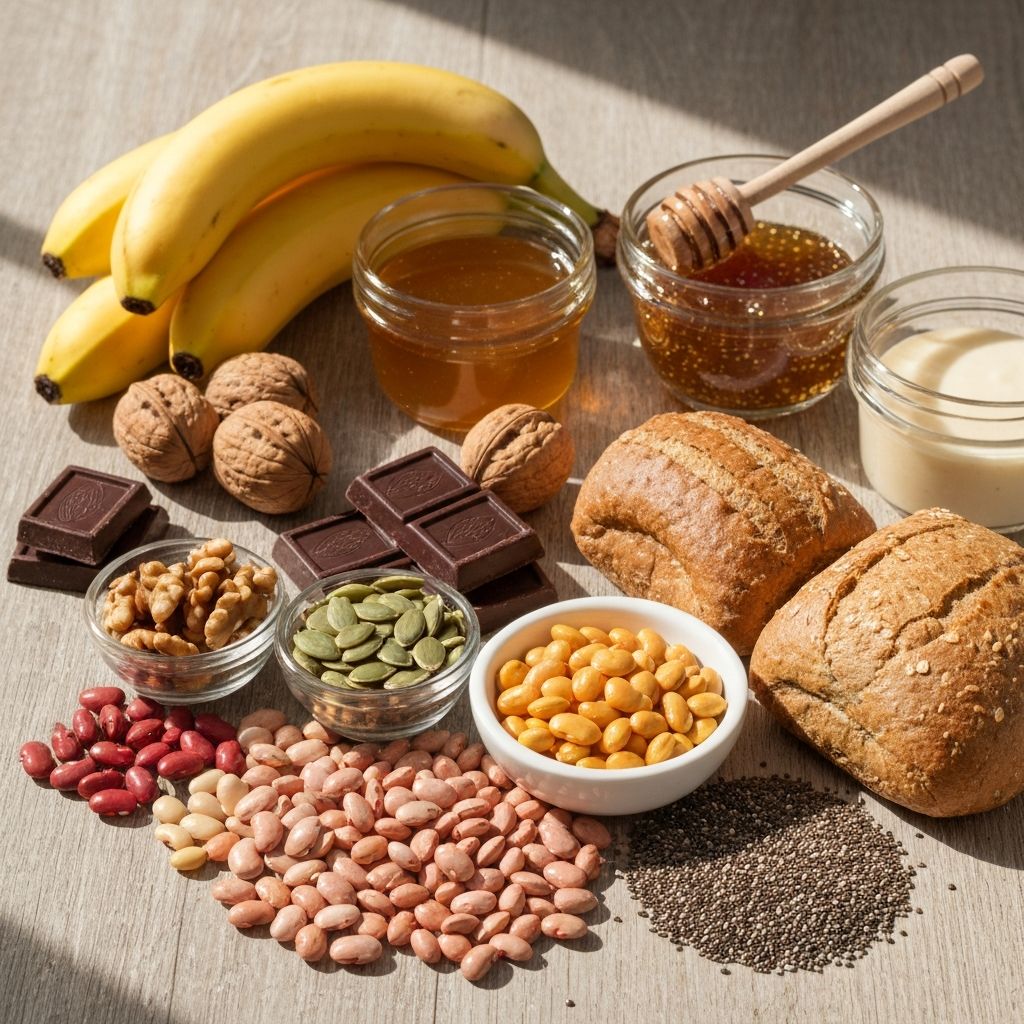
Nutrition to Support Physical Activity
- Pre-Activity Nutrition: Light meals or snacks combining carbohydrates and protein provide energy for exercise
- During Activity: For sustained activities, water and carbohydrate sources maintain energy and performance
- Post-Activity Recovery: Protein and carbohydrates support muscle repair, recovery, and glycogen replenishment
- Overall Diet Quality: A nutrient-dense diet supports recovery, reduces injury risk, and enables consistent training
- Hydration Strategy: Consistent hydration supports endurance, strength, and recovery
Age-Related Nutritional Considerations
Men's nutritional needs evolve across the lifespan. Understanding age-specific considerations supports proactive health maintenance.
Nutritional Considerations by Life Stage
- Young Adulthood (20s-30s): Establish healthy dietary patterns; prioritize nutrient density; support muscle and bone development
- Middle Age (40s-50s): Maintain cardiovascular health; support metabolic function; address changing energy requirements
- Mature Adulthood (60+): Ensure adequate protein for muscle maintenance; focus on nutrient density; support bone, heart, and cognitive health
Building Sustainable Eating Habits
Optimal health results from consistent, sustainable dietary patterns rather than short-term changes. Practical approaches support long-term success.
Strategies for Sustainable Nutrition
- Meal Planning: Plan meals incorporating variety, whole foods, and nutrients; reduces impulsive food choices
- Home Cooking: Preparing meals at home offers control over ingredients and portion sizes
- Whole Foods Priority: Emphasize unprocessed foods; limit highly processed products
- Variety and Color: Different colored vegetables and foods provide different nutrient profiles; aim for diversity
- Hydration Habits: Establish consistent water intake; form hydration as a daily habit
- Balanced Approach: Include favorite foods in moderation; sustainability requires flexibility and enjoyment
- Social and Cultural Respect: Nutrition works best within your lifestyle, culture, and social context
Individual Needs Vary
This content provides general nutritional education and principles. Men's individual nutritional needs vary based on age, activity level, health status, genetics, and personal goals. For personalized dietary guidance or concerns about specific health conditions, consult a qualified healthcare professional such as a physician or registered dietitian.
Start Your Nutritional Journey
Explore more educational content to deepen your understanding of nutrition and well-being.
Explore Main Topics Get in Touch